
Crowdfunding is quickly becoming a powerful funding option for South African entrepreneurs who struggle to access traditional bank loans or government funding. Whether you’re launching a startup, testing a new product, or growing an existing small business, understanding how crowdfunding works in South Africa can open the door to new capital, early customers, and valuable market feedback.
When I first explored crowdfunding as a funding option, I realised it offered more than just money. A well-run campaign can validate your idea, build a community around your business, and prove demand before you risk serious capital. But it only works if you understand the platforms, legal considerations, and expectations of backers, especially in the South African context.
In this guide, I’ll break down what crowdfunding is, how it works locally, which South African and international platforms you can use, the legal rules you should know, and practical tips to help you run a successful crowdfunding campaign from start to finish.
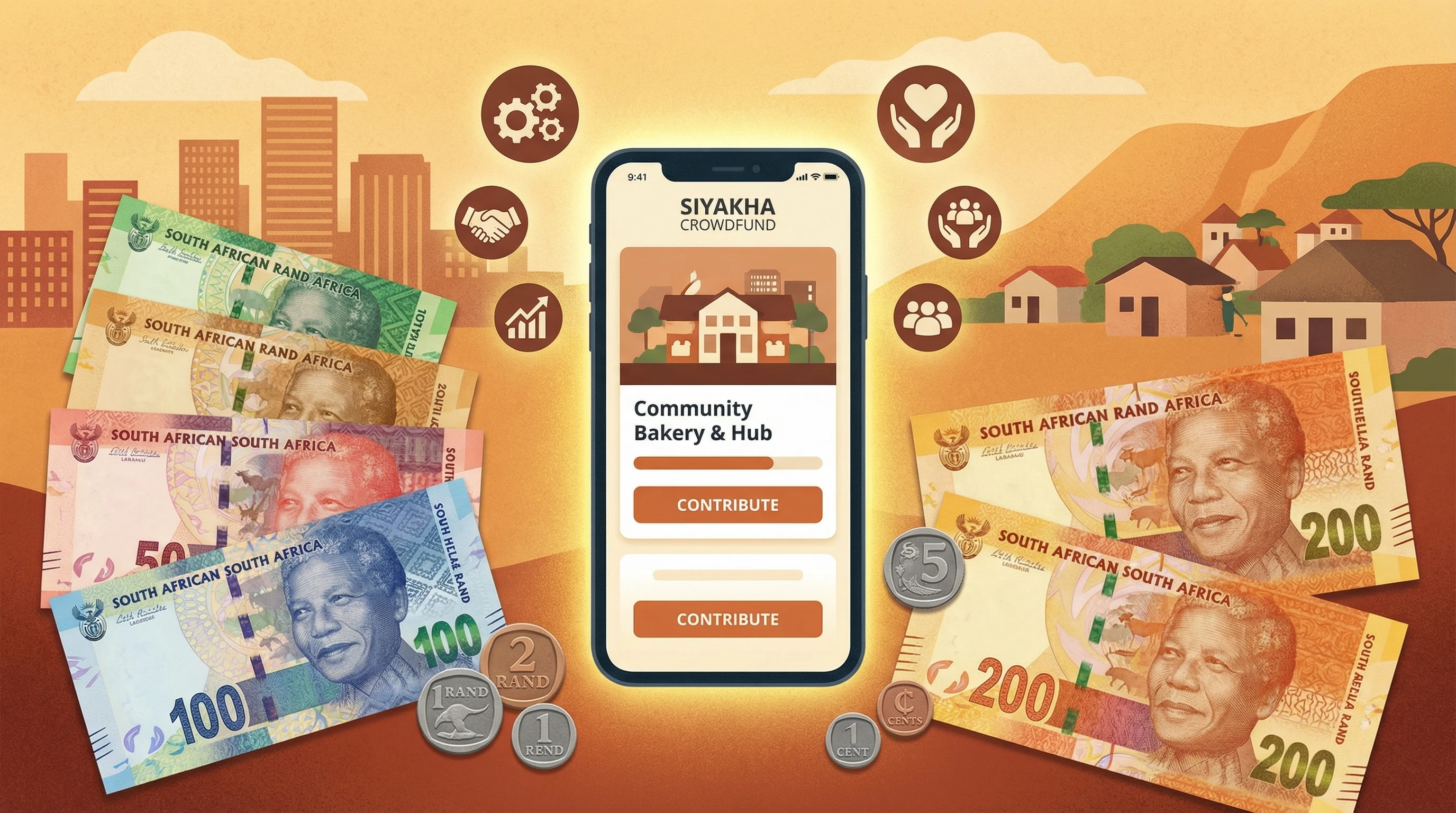
Quick Overview: Crowdfunding in South Africa
-
Crowdfunding lets businesses raise money online from the public
-
Legal in South Africa, with different rules for equity campaigns
-
Platforms include Thundafund, BackaBuddy, Uprise Africa & more
-
Best suited for startups, product launches, and community-driven ideas
How Do You Pitch a Crowdfunding Idea Successfully?
I recently worked with a Cape Town–based startup developing a locally manufactured consumer product; they used reward-based crowdfunding to test demand before committing to large production costs. Their campaign focused on early supporters rather than mass marketing, and within the first two weeks, they reached over 35% of their funding goal. That early momentum helped attract additional backers and gave the founders confidence to proceed with manufacturing, knowing there was real market interest.
What Is Crowdfunding and How Does It Work for Startups in South Africa?
Crowdfunding is a way for entrepreneurs to raise startup capital from the public through online platforms, while keeping control of their business. I like that crowdfunding enables founders to test if there’s real support for their idea before investing too much. People interested in your business can support you early, helping you reach specific goals or milestones without depending only on banks or private investors. Through crowdfunding, you get to turn early interest into real financial support, while creating strong connections with backers from the very start. Crowdfunding campaigns can be structured around various models, from donations to rewards or even company shares, enabling you to find the best fit for your business and audience.
Why Do South African Entrepreneurs Use Crowdfunding?
Many founders explore crowdfunding after struggling to qualify for government grants or other alternative funding options, which often involve lengthy approval times and strict requirements.
When I looked at the funding landscape, crowdfunding stood out for the special benefits it offers to business owners:
- Retain control: You raise capital without handing over full control to investors.
- Faster access to money: Receiving funds can be quicker than long loan applications or pitching to private investors.
- Validate your idea early: Crowdfunding enables you to determine if there’s enough interest from the public before a full launch.
- Build a supporter base: Early adopters and backers start spreading the word about your business even before you launch.
- Community-driven: People back your project not just for rewards, but to be part of bringing something new to life.
Crowdfunding platforms also give you a ready-made space to share your story in a way that traditional funding rarely does. The transparency and communication expected by backers help entrepreneurs build relationships and loyalty from day one, which often leads to repeat customers and lasting support.
Which Crowdfunding Platforms Are Available in South Africa?
There are both international and local crowdfunding sites that entrepreneurs utilise to run their campaigns. The top names I see making a difference for South African startups include:
- Kickstarter: One of the world’s best-known reward-based crowdfunding sites. Creative projects and startups are popular here.
- Indiegogo: Another large international platform, good for new products, tech, and innovation-driven projects.
- Thundafund: South Africa’s leading rewards-based platform, well-suited for local creative and small business projects.
These platforms enable you to collect funding from friends and family, as well as from curious early adopters or members of the public who come across your campaign online. This means your reach is much bigger than what you could achieve through typical fundraising events or private meetings. Some campaigns even go viral, drawing support from around the world.
How Do You Start a Crowdfunding Campaign in South Africa?
Launching your first crowdfunding campaign can feel overwhelming, but breaking it into simple steps helps. Here’s my basic guide to getting set up:
- Determine if crowdfunding is a suitable fit for your business model. It’s great for products and projects where you can clearly explain what backers will get or support.
- Choose a platform where your ideal backers are likely to be. Thundafund works well for local projects, while Kickstarter or Indiegogo might be better if you’re looking for international exposure.
- Read up on platform fees, eligibility requirements, and how they handle payments or refunds.
- Check if you will need to offer any rewards or equity, or if you’re only raising donations. Matching your offer to backers’ expectations is really crucial.
To prepare, gather as much information as possible to support your idea, a prototype, sketches, customer feedback, or just a clear vision of the impact your project will have. The more real your project feels, the more confidence backers have in your plans. Crowdfunding is not just about money; it’s about demonstrating to others why your idea deserves support and what differentiates it from others in the market.
How Do You Pitch a Crowdfunding Idea Successfully?
The campaign pitch can make or break your success. From experience, here’s what I do to stand out and build real trust:
- Focus on a real problem: Don’t just talk about your business. Make it clear what problem your product or service solves and why it matters to your audience.
- Show why your solution is unique: Describe how your product or business is better, faster, or more accessible than current alternatives.
- Create a detailed and creative pitch: Use video, images, and real stories to engage visitors. A good pitch page tells your story in a way that makes people want to see you succeed.
- Demonstrate traction: If you already have sales, users, or media coverage, mention it. Social proof really grows trust quickly.
Personal touches, honest storytelling, and transparency go a long way. If you’re able to bring in testimonials or endorsements early on, even better. Strong visuals and a brief, eye-catching video deliver your story powerfully. Even if your resources are limited, simple but genuine work nearly always outshines flashy but empty promises. Backers want to trust you, so be upfront about your journey and show the passion behind your dream.
How Much Money Should You Raise Through Crowdfunding?
It’s tempting to set a big target, but I always recommend setting a funding goal that’s realistic and directly tied to your next phase of growth. Here’s how I break it down:
- Set a clear funding target. Avoid trying to raise all your business capital at once. Break it into smaller rounds if needed.
- Connect the funding ask to a milestone. For example, raising enough to complete a prototype, build an app, or launch a first production run.
- Back your ask with facts. Share your business plan, projected cash flow, and profitability estimates to reassure backers that their money will make a real impact.
By connecting your funding goal to exact deliverables and timelines, you offer backers something specific to look forward to. Overpromising or inflating your needs can reduce trust, while a focused and clear request boosts your chances of success.
How Long Should a Crowdfunding Campaign Run?
Running a campaign for too long can drain momentum, but too short may not receive enough exposure. I’ve found that most campaigns tend to perform best within 30 to 50 days. This window offers a good balance of urgency and opportunity for people to get involved.
A campaign should begin with a burst of activity to show demand, then maintain regular updates to keep backers engaged throughout the period. Set your deadline early and avoid last-minute rushes, as most pledges usually come in during the first and final days. During the campaign, provide updates and live Q&A sessions to maintain high energy levels and make it easy for potential supporters to see the impact of their help. Keeping your audience informed with regular news and thank you messages maintains support, growing steadily.
How to Increase Crowdfunding Success
From my experience watching and running campaigns, early momentum is super important. Here’s what I focus on to build early and lasting support:
- Reach out to potential early backers. Family, friends, or loyal customers should be informed before you announce to the broader public.
- Have several pledges or supporters lined up so that your campaign doesn’t launch from zero. People are more likely to back a project that already has some traction.
- Share your campaign widely, but always keep the messaging personal and specific. Broad generic appeals often get ignored.
- Use social proof. If you reach 30% of your goal early, that’s usually enough to encourage new backers to join in too.
Strong press coverage, dynamic updates, or unique rewards can also give your campaign a boost. Encourage happy backers to spread the word, and don’t be shy about celebrating every milestone. Public gratitude goes a long way. Consider crafting a short video of your story or building an FAQ to answer common questions; these steps make you more approachable and trustworthy to new supporters.
How Can You Increase Your Chances of Crowdfunding Success?
Traditional funding options, such as banks and government grants, are often out of reach for many South African startups, especially those without assets or long credit histories. I’ve seen many business owners relying on their own savings, but that can only take you so far. Crowdfunding opens the door to new sources of capital, immediate exposure, and a ready-made marketing platform.
Besides funding, running a public campaign helps check if people really want what you’re offering. This kind of feedback is invaluable in the early stages because it can help you adapt your concept long before you burn through other resources. Crowdfunding’s interactive nature means you receive input and suggestions that can improve your product, point you in fresh directions, or even reshape your business model before a full launch.
Common Crowdfunding Mistakes South African Entrepreneurs Should Avoid
Even strong ideas can fail on crowdfunding platforms if the campaign isn’t planned properly. These are some of the most common mistakes I’ve seen South African entrepreneurs make when launching their first crowdfunding campaign:
Setting an unrealistic funding goal
Asking for too much too early often scares off potential backers. A large target with little traction can signal risk. It’s better to raise enough for a clear milestone, prove demand, and scale from there.
Launching without early support lined up
Campaigns that start at zero struggle to gain momentum. Successful campaigns generally secure early pledges from friends, family, or existing customers before going public, creating social proof from the beginning.
Poor or unclear campaign messaging
Backers need to quickly understand what problem you’re solving and why your solution matters. Vague descriptions, technical jargon, or focusing only on the business instead of the benefit often lead to low engagement.
Ignoring platform fees and fulfilment costs
Some campaigns hit their funding goal but still run into trouble because platform fees, taxes, or reward delivery costs weren’t properly calculated. This can damage trust and strain cash flow after the campaign ends.
Underestimating the work required after funding
Crowdfunding doesn’t end when the money comes in. Delivering rewards, communicating updates, and managing expectations requires ongoing effort. Failing to do this can harm your reputation and future funding opportunities.
Why Is Crowdfunding Important for Small Businesses in South Africa?
Crowdfunding is legal in South Africa and is slowly gaining traction, though it isn’t quite mainstream yet for business funding. The international success of crowdfunding in the US and Europe has inspired growth locally. During the COVID-19 lockdowns, digital funding increased, and I noticed more South Africans turning to these platforms for both donations and business support. Even so, many local entrepreneurs are still learning about how best to make it work for their context. Unlike traditional business loans in South Africa, crowdfunding doesn’t usually require collateral or a lengthy credit history, making it more accessible to early-stage entrepreneurs.
What Types of Crowdfunding Are Available for South African SMEs?
Three main types of crowdfunding stand out as options for small businesses in South Africa:
- Donation-Based Crowdfunding: Backers donate without expecting anything in return. Good for charities or personal projects. For example, BackaBuddy campaigns.
- Reward-Based Crowdfunding: Supporters get early access, products, or perks. No equity or repayment needed. Well-suited to small product launches and creative work.
- Equity Crowdfunding: Investors receive actual shares in the business. This is best for scalable startups requiring larger amounts and is offered by platforms like Uprise Africa.
Each type fits different needs, and you’ll find some platforms specialise in one style while others offer more than one. Choosing the right model depends on your goals, your relationship with potential backers, and how much funding you need. Reward-based crowdfunding, for example, can be a lower-risk starting point, while equity models help attract larger investments from individuals seeking to grow their portfolios. While crowdfunding works well for startups and product launches, established models such as franchises may still benefit from franchise funding options that offer structured repayment terms.
Is Crowdfunding Legal in South Africa?
Crowdfunding is permitted in South Africa, but there isn’t a specific law that regulates it. Instead, existing laws such as the Companies Act and the Banks Act set general rules. Each platform will have its own processes and requirements for compliance. Equity crowdfunding, in particular, may involve stricter checks because it deals with shares and potential returns. If you’re running a campaign, reading the platform’s terms and getting legal advice if needed helps keep your campaign safe and above board. Staying sharp about these legal issues will help you avoid any stumbling blocks or unnecessary headaches down the road.
What Are the Benefits of Crowdfunding for Small Businesses?
I’ve seen many South African businesses use crowdfunding as a smart way to launch or grow, not just because it raises money. Here are some of the key advantages I’ve experienced and noticed across the industry:
- You don’t usually need to take on extra debt or give away too much control.
- Crowdfunding also assists with marketing, generating publicity, press, and a direct line to your future customers.
- It’s an easy method to check for demand before you make significant investments.
- You form a community of customers and supporters, many of whom collaborate with you long term and become brand ambassadors.
By building these relationships and learning directly from your earliest backers, you add long-term value to your business that goes way beyond funding. You’re effectively developing your future supporter base and learning how your story resonates across different groups of people.
Frequently Asked Questions about Crowdfunding in South Africa
Here are answers to some common questions I’ve come across while working through the local crowdfunding landscape:
Question: Do I have to offer rewards or products to run a crowdfunding campaign?
Answer: Not always. Some platforms let you run donationbased campaigns. Others, like Thundafund and Kickstarter, use rewards, while Uprise Africa requires sharing equity.
Question: Can I crowdfund if my business is still just an idea?
Answer: Yes, but it helps if you have some form of prototype, proof of concept, or traction to show you’re serious and ready to deliver. Having something tangible gives backers more confidence in your campaign and increases your chances of hitting your target.
Question: Can I raise funds from international backers?
Answer: That depends on your platform. Some support global payments, while others are more focused on South African backers. If you want to attract support from outside South Africa, be sure to check the platform’s payment systems and any rules around receiving overseas funds.
Crowdfunding in South Africa is growing rapidly, giving small businesses and entrepreneurs the space they need to bring their ideas to life. Whether you’re just starting or looking to take your project up a notch, understanding how the process works here can make all the difference. Don’t be afraid to ask around, learn from success stories, and connect with the community of founders and backers who make this funding method such an exciting option locally.

The information on this website is for general informational purposes only and does not constitute financial, legal, or other professional advice. We do not guarantee the accuracy, completeness, or suitability of any information provided. safricanloans.com and its employees shall not be liable for any loss, damage, or expense arising from the use of or reliance on the information contained herein. Visitors are encouraged to seek independent professional advice before making any financial decisions. This website is governed by the laws of the Republic of South Africa.